

The New Donor Experience
We donated to 100 nonprofits. Here’s what happened next.
Only 14% of new donors give again. This six-month research report tracks real donations, real emails, and real follow-up after the first gift to show you what most nonprofits are missing. Find out how you can stand out from the rest and turn your new donors into long-term supporters.

What happens after the first gift? For 44% of donors, silence.
Out of 100 nonprofits, only 13 followed up within a week of our donation. Forty-one never followed up at all in the months after we gave. No thank-you, no update, nothing.
By the three-month mark, 44% of organizations we donated to had gone completely silent. For a donor who just decided to trust you, that silence speaks loudly.

Ready to see the data?
Get the full breakdown of donor communication habits across 100 real nonprofit donations.
How 100 nonprofits made us feel as donors
Betrayed.
Our donor information may have been shared without consent, leaving us questioning whether we could trust these organizations at all.
Unappreciated.
We were excited about every organization we supported. But most didn't match that energy. No thank-you, no acknowledgment, nothing.
Disappointed.
We were ignored for months, then asked to give again at year-end… with no relationship built in between.

Don’t just take our word for it
Dig into the full data, real email examples, and a practical roadmap you can follow for better donor communication.
About the Research
100 donations, 6 months, 11 cause areas
We made 100 real donations across 11 cause areas, from disaster relief to wildlife conservation, and tracked every response for six full months, from the first receipt to year-end appeals.
Organizations ranged from under $500k to over $100M in annual revenue, so no matter your budget, you'll find learnings for your organization reflected in this data.

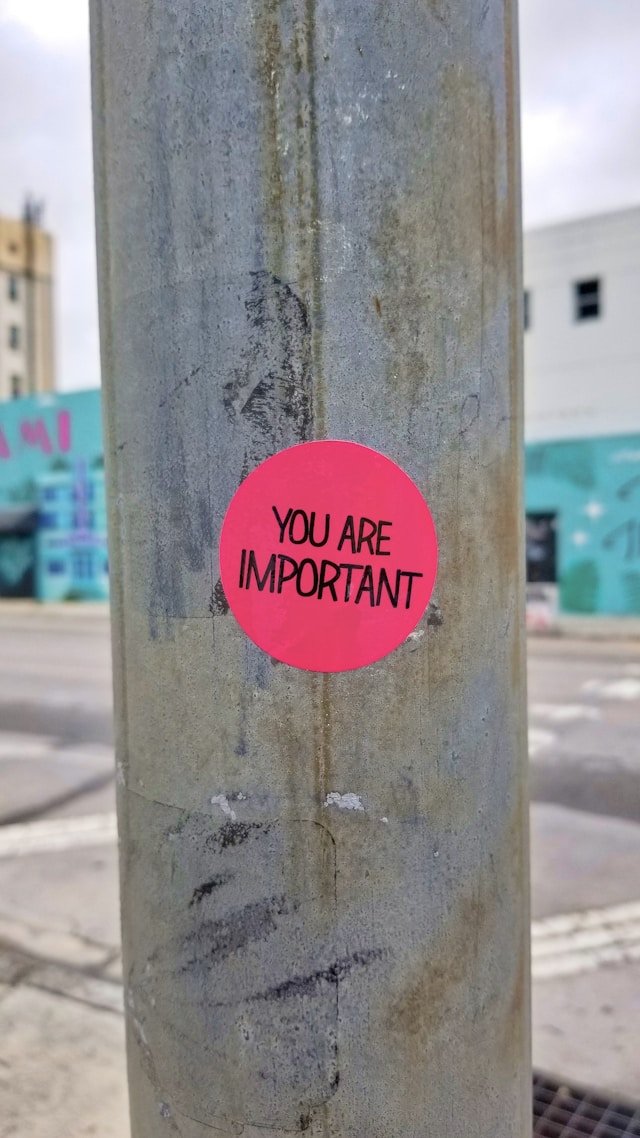
Only 20% of emails put donors first.
We analyzed dozens of donor emails for one simple yet important distinction: did they talk to us or about themselves? Only 20% used “you-focused” language instead of leaning on “we” and “our.”
The difference mattered. Emails that centered on “we” felt like mundane updates. Emails centered on “you” felt like a conversation, made us feel important, and kept us reading.
Featured Partner

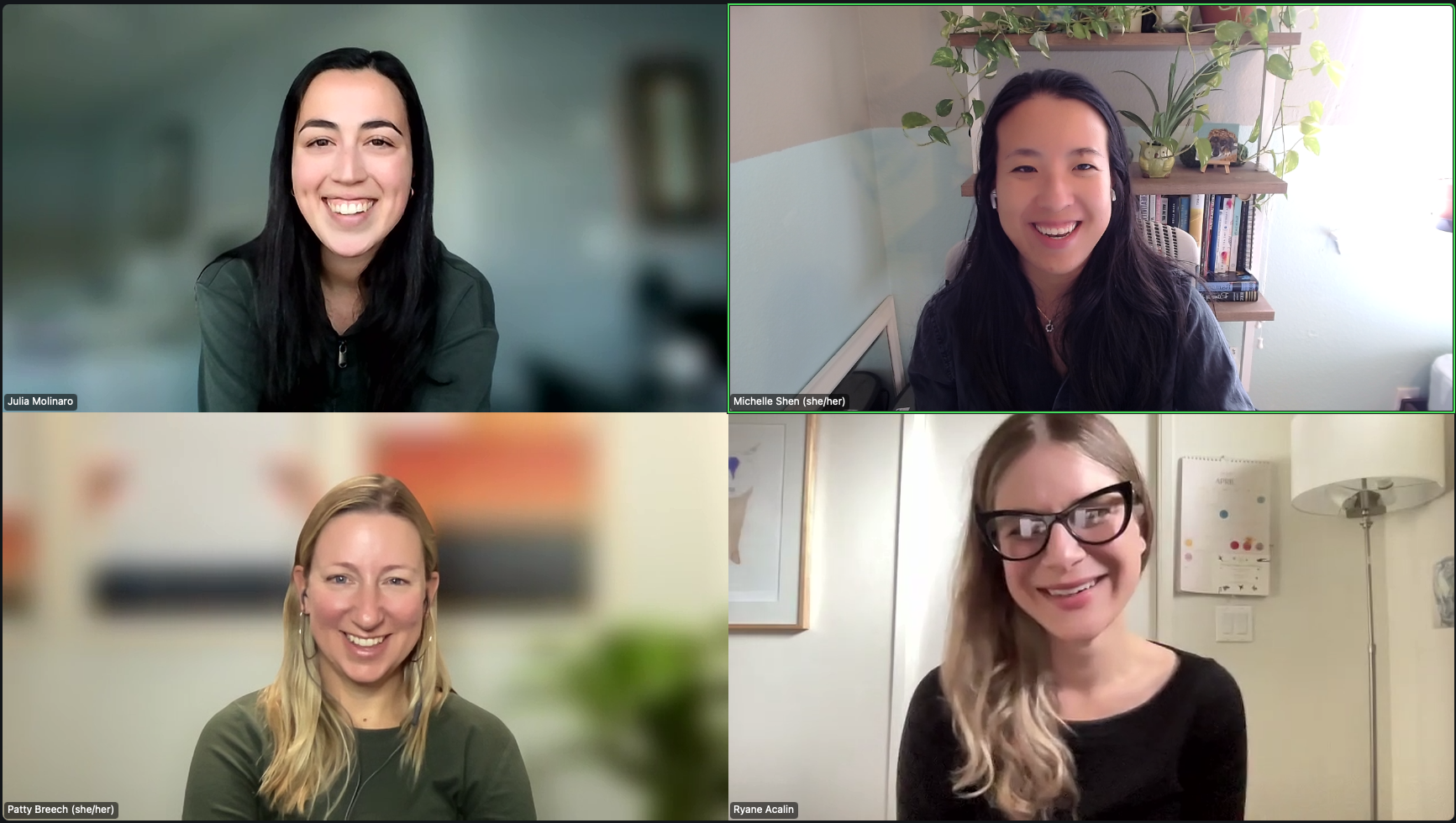
About the Purpose Collective
We’re a digital marketing consulting firm helping nonprofits and purpose-driven organizations build stronger supporter communities. We combine storytelling, data, and technology to improve donor communications, select platforms, and create effective automations—so your team can spend less time managing tools and more time advancing your mission.